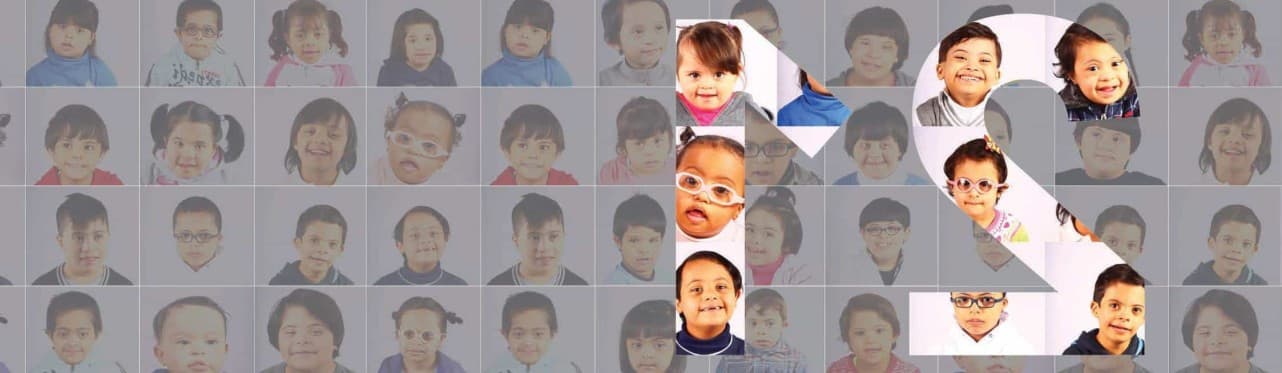
Most Common
Down syndrome is the most common chromosomal condition diagnosed worldwide.
1 in 700 Births
Down syndrome occurs in approximately one in every 700 live births.
Trisomy 21
Down syndrome results from an extra chromosome 21, making three copies instead of two. This is the most common type.
Crosses All Boundaries
Down syndrome occurs across all cultures, ethnic groups, and socioeconomic levels.
The Right Term
"Down syndrome" is the preferred term. The words "mongoloid" or "Downs" should be avoided as they are considered offensive.
John Langdon Down
The condition is named after English physician John Langdon Down, who first described it. He did not have Down syndrome himself.
A Syndrome, Not a Disease
Down syndrome is a chromosomal condition — a syndrome — not a disease. It is a natural variation of the human genome.
Maternal Age and Odds
The likelihood of having a child with Down syndrome increases with the mother's age. However, 80% of children with Down syndrome are born to mothers under 35, due to higher fertility rates in that age group.
Common Physical Traits
Some shared physical features include low muscle tone, short stature, upward-slanting eyes, and a single deep crease across the centre of the palm.
Life Expectancy Doubles
Average life expectancy has increased significantly — from 25 years in 1983 to around 60 years today.
Active Community Members
People with Down syndrome can attend school, work, participate in decisions that affect them, and contribute to their communities in many meaningful ways.
Varying Cognitive Ability
All people with Down syndrome have mild to moderate cognitive delays, but this does not define the full range of their individual strengths and abilities.
Environment Matters
Quality education programmes, a stimulating home environment, good healthcare, and positive family and community support enable people with Down syndrome to reach their full potential.
Real Emotions
People with Down syndrome experience a full range of emotions — joy, sadness, and anger. They respond to kindness and resent disrespectful behaviour, just like anyone else.
Heart Conditions at Birth
Approximately 50% of people with Down syndrome are born with congenital heart defects, requiring careful medical monitoring from birth.
Alzheimer's Risk
Around 25% of people with Down syndrome over the age of 35 are at risk of developing clinical symptoms of Alzheimer's disease.
Eye Health
More than half of people with Down syndrome have some form of eye condition, ranging from mild to severe. Regular eye examinations are strongly recommended.
Thyroid Conditions
Between 13% and 50% of adults with Down syndrome have thyroid conditions, which can develop at any stage from birth through to adulthood.
People First
People with Down syndrome should always be addressed by their names and referred to as people first — not defined solely by their condition.
Everyday Abilities
People with Down syndrome can sit, walk, talk, play, and carry out most daily activities with appropriate support.
Just One Chromosome
We are more alike than we are different. The only distinction is one extra chromosome.