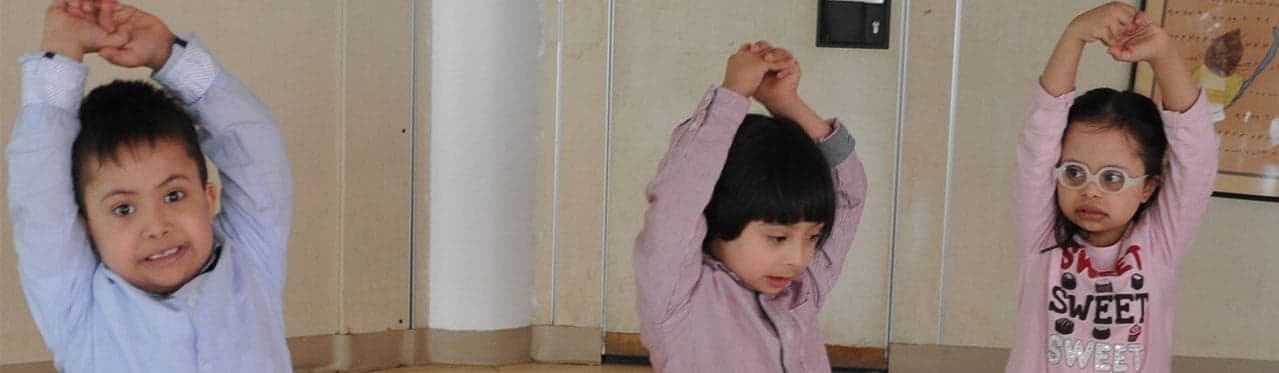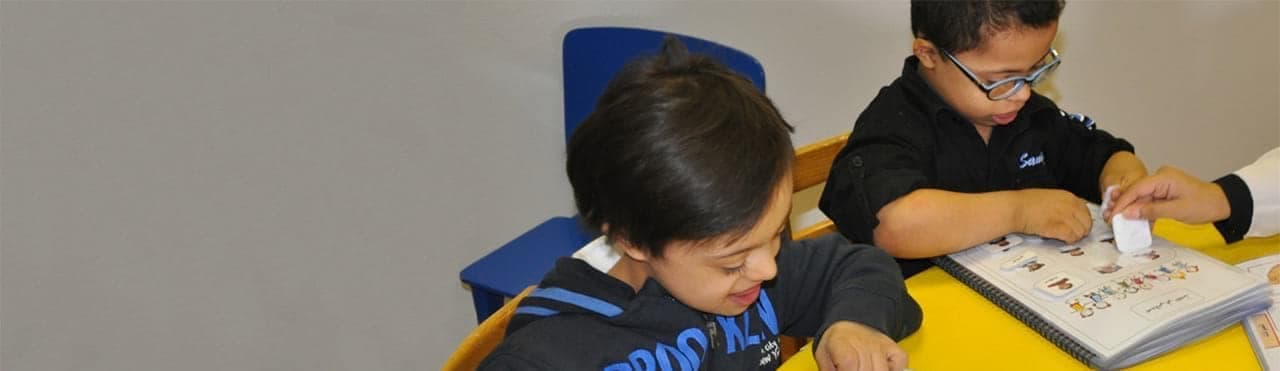
Early intervention encompasses several types of therapy, each addressing a specific aspect of the child's development.
Physical Therapy
Physical therapy focuses on motor development. For example, during the first three to four months of life, an infant is expected to develop the ability to control their head, assume a seated position (with assistance) while maintaining head control, and develop sufficient strength in the upper trunk to hold an upright posture. Physical therapy helps infants with Down syndrome who experience low muscle tone and ligament laxity to successfully navigate this stage of development.
Motor development from birth through the early months of an infant's life forms the foundation for all future progress. Infants learn through interaction with their surrounding environment, and in order to learn, they must be able to move freely and purposefully. An infant's ability to explore their surroundings, reach for and grasp toys, turn their head to follow a moving object, roll over, and crawl all enhance their understanding of the environment and their perception of its dimensions — contributing to cognitive, language, and social development.
In the long term, physical therapy also helps reduce the compensatory movements that children with Down syndrome may develop, which, if left uncorrected from an early stage, can lead to postural or functional movement problems.
Speech and Language Therapy
Speech and language therapy is a fundamental component of all forms of early intervention. Although an infant with Down syndrome may not begin saying their first words until they are two or three years old, there are many pre-language and pre-speech skills they must acquire before learning to form words. These skills include:
- The ability to imitate and repeat sounds and words
- Turn-taking skills in play
- Visual skills (looking jointly at the speaker and objects)
- Listening skills (attending to music, speech, and sounds for extended periods)
- Tactile skills (becoming aware of the sense of touch and exploring objects orally)
- Oral-motor skills (moving the tongue and lips)
- Cognitive skills (understanding object permanence and cause and effect)
Speech and language therapy can help develop these and other skills, including supporting breastfeeding. Breastfeeding engages the same organs used in speech, strengthening the infant's jaw and facial muscles, and thereby contributing to the development of communication skills in the future.
Occupational Therapy
Occupational therapy helps children develop and master a range of skills. It works to improve visual-motor coordination, strengthen the muscles of the upper body, and enhance overall motor coordination. This has a positive impact on:
- Self-care skills (such as unfastening buttons and zips, eating, and dressing independently)
- Fine motor skills (such as opening and closing objects, taking apart toys, assembling and building shapes, and drawing with coloured pencils)
- Social and emotional skills (such as understanding play rules and interacting with peers)
Source: The information in this article has been reproduced under an exclusive agreement with the National Down Syndrome Society. Available at: ndss.org