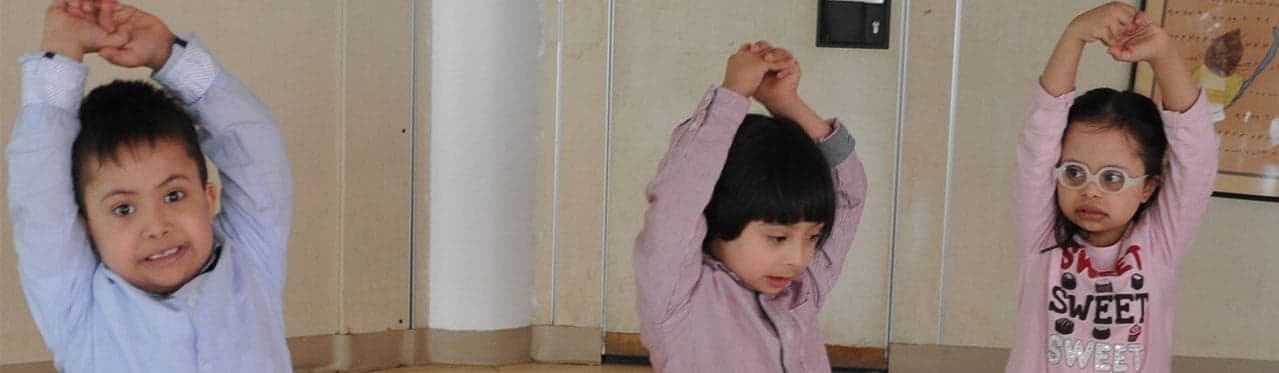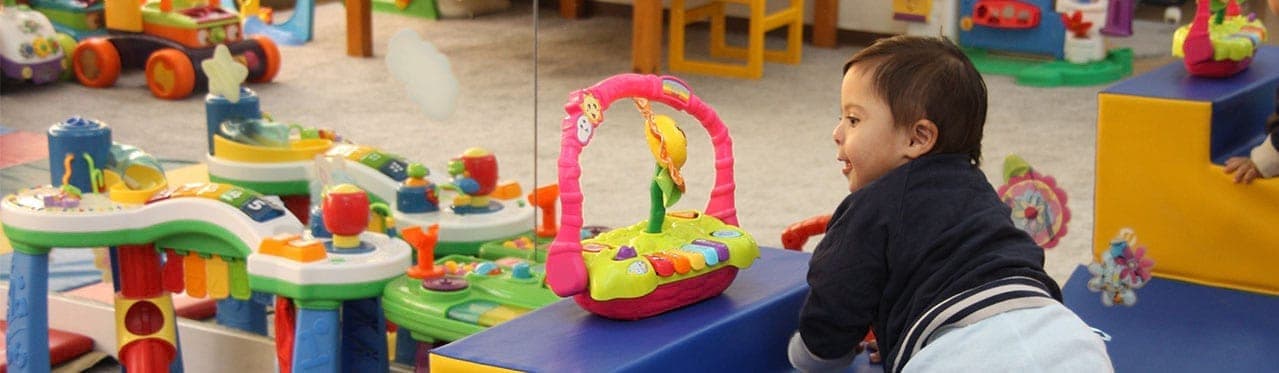
If you are a parent browsing this website, it most likely means you have a child with Down syndrome. This article aims to provide some information about occupational therapy and how it can help both you and your child.
Occupational therapists who work with children are academically qualified to do so, and receive specialist training in child development, neurology, medical conditions, psychological development, and therapeutic techniques. Their primary focus is on enhancing the child's ability to master the skills that enable independence, including:
- Self-care skills (eating, dressing, personal hygiene, etc.)
- Developing fine and gross motor skills
- Developing academic skills (printing, cutting, etc.)
- Play and leisure skills
The Role of Occupational Therapy in Infancy
During infancy, parents' focus is on their child's health and growth, the development of basic movements, and fostering the child's responsiveness and social interaction. At this stage, the occupational therapist can help with:
- Resolving feeding difficulties: Low muscle tone — particularly in the cheek, tongue, and lip muscles — can make feeding difficult for some infants with Down syndrome. The therapist suggests specific muscle movement and feeding techniques, and may participate in studies of the child's feeding challenges if needed.
- Achieving key developmental milestones: Occupational and physical therapists work side by side to help the child achieve gross motor milestones (such as sitting, crawling, standing, and walking). The occupational therapist focuses on strengthening arm and hand movements, which form the foundation for fine motor skills later on. Low muscle tone and joint laxity pose real obstacles to early motor development, but occupational therapy can help the child overcome both.
The Role of Occupational Therapy in Early Childhood
At this stage, the child needs multiple learning opportunities to independently eat and dress, and to develop play skills and interaction with other children. The occupational therapist's role includes:
- Developing fine motor skills: This is a critical stage for developing hand movements that will enable the child to do much more as they grow. Play is the ideal vehicle — opening and closing objects, assembling and disassembling toys, building shapes, drawing with coloured pencils. The child may face additional challenges due to low muscle tone and joint laxity.
- Supporting self-care skills: The therapist helps parents break down these skills into small steps suited to the child's abilities, and suggests positions and adaptive equipment that promote independence — such as specialised spoons and bowls to facilitate self-feeding.
The Role of Occupational Therapy at School Age
As the child enters school, the focus shifts to communication, school-related fine motor skills, and extracurricular activities offering varied social and educational experiences. The occupational therapist's role includes:
- Developing fine motor skills in the classroom: Many occupational therapists work in schools to help children with Down syndrome learn handwriting, printing, keyboard skills, and cutting. They also advise on appropriate seating positions (such as desk chair size) and adapt academic programmes to the child's motor abilities.
- Supporting self-care skills at home and school: Children with Down syndrome vary in their personalities and what motivates them towards independence. Some want to do everything themselves; others are happy to have things done for them. The therapist helps parents navigate these challenges and supports the child in developing the motor skills needed for greater independence.
- Meeting sensory needs: Some children may show behaviours related to sensory development — such as repeatedly mouthing objects, poor body awareness, excessive squeezing, or disliking hair washing and brushing. The therapist provides practical suggestions to help both parents and child manage these difficulties.
The Occupational Therapist: A Partner in Your Child's Journey
As parents, we carry the responsibility for our children's safety and wellbeing in every aspect — medical, educational, social, and behavioural. We need trained specialists to guide us and work with our children to unlock their potential. The occupational therapist is a vital member of an integrated team we can rely on to provide specialist support for our children as they grow and develop.
Source: The information in this article has been reproduced under an exclusive agreement with the National Down Syndrome Society. Available at: ndss.org