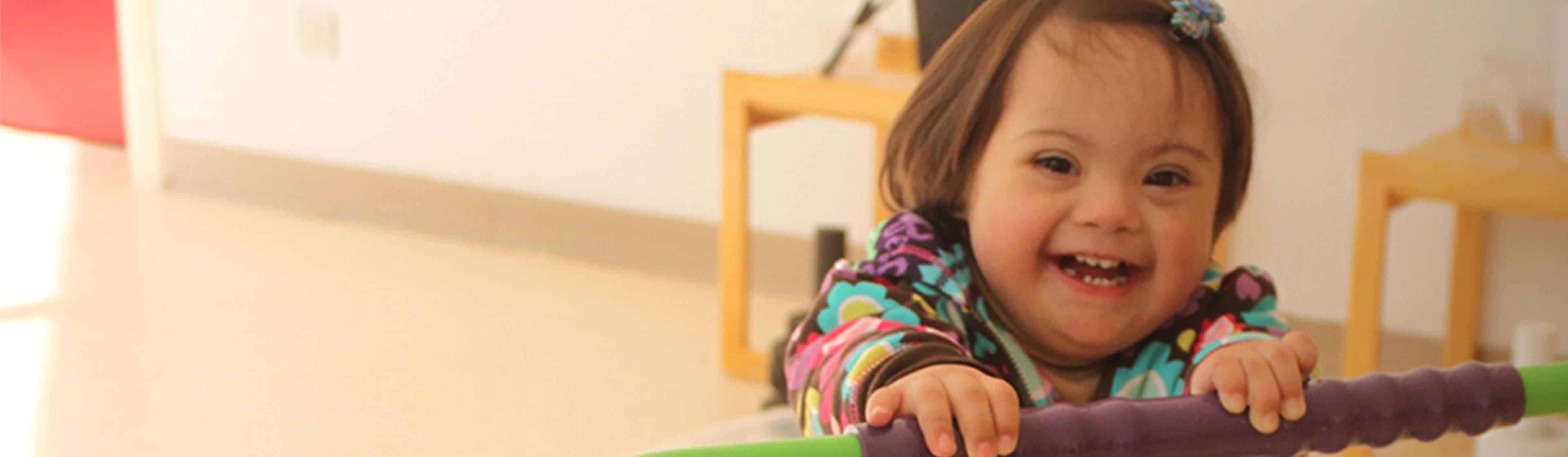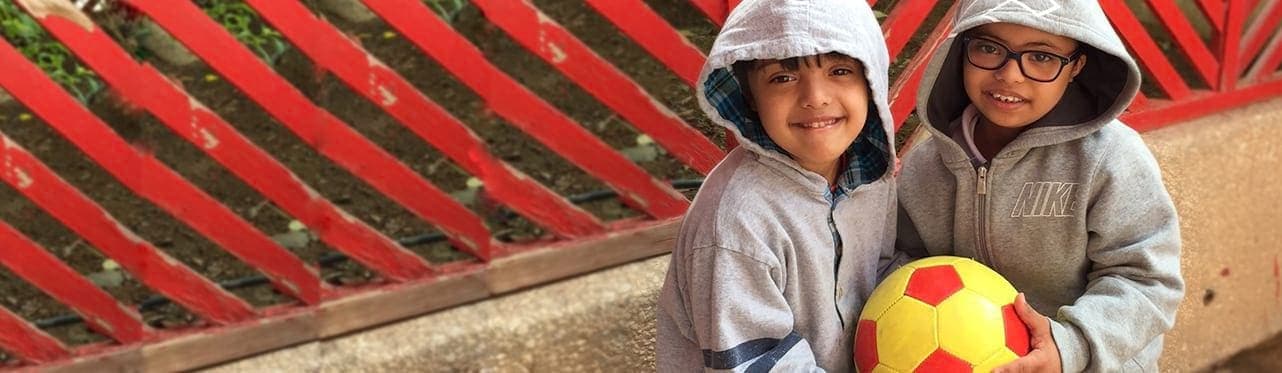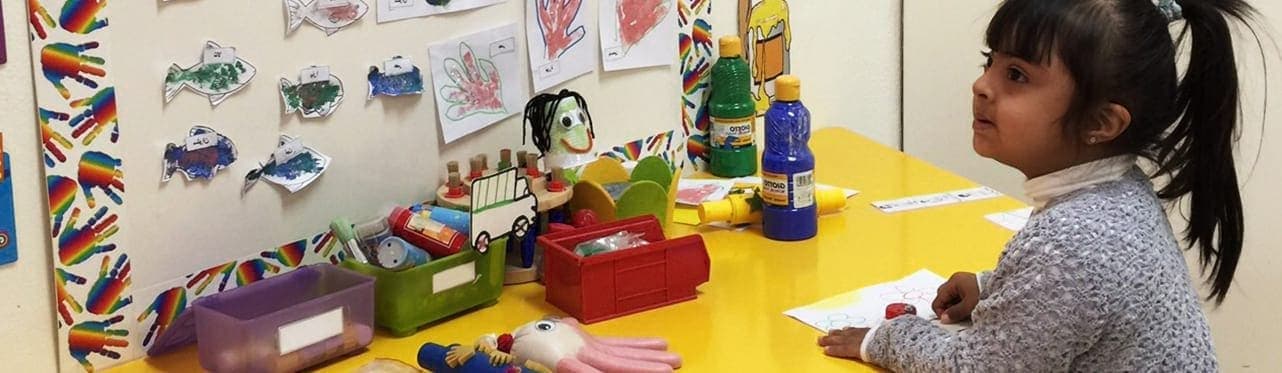
The more children with Down syndrome you get to know, the clearer it becomes that they are all different from one another. Each child with Down syndrome is a unique individual with different abilities and potential. Children with Down syndrome do not share the same traits, abilities, or skills, even if they were born and raised in the same environment. This is due to a number of variables:
Genetic Differences
Two siblings with Down syndrome do not necessarily share the same traits, abilities, or potential, even if they have been exposed to the same environment and afforded the same educational opportunities. These differences are due to the modifying genes on chromosome 21.
Secondary Conditions Associated with Down Syndrome That Have Not Been Treated or Corrected
Most children with Down syndrome receive excellent medical care to address health issues such as heart conditions, hearing and vision problems, thyroid dysfunction, and other health conditions. However, in some cases these problems go untreated and can negatively affect the child's development, significantly impeding their learning.
Additional Disabilities Accompanying Down Syndrome
Children with Down syndrome may experience problems before, during, or after birth that cause other intellectual disabilities and affect their development compared to other children. Being born with Down syndrome does not mean a child will not also experience other intellectual disabilities or medical conditions.
Environmental Factors
It is well established that the environment plays an important role in any child's development. All development arises from the interaction between an individual's genetic makeup and their psychological and physical environment. Children who live in deprived environments are often the same children who do not receive the medical care mentioned above. A nurturing, enriching environment encourages the child's growth, helps them connect with the world and others, and is well placed to promote the child's development and capacity for learning.